
The You after Moving Borders
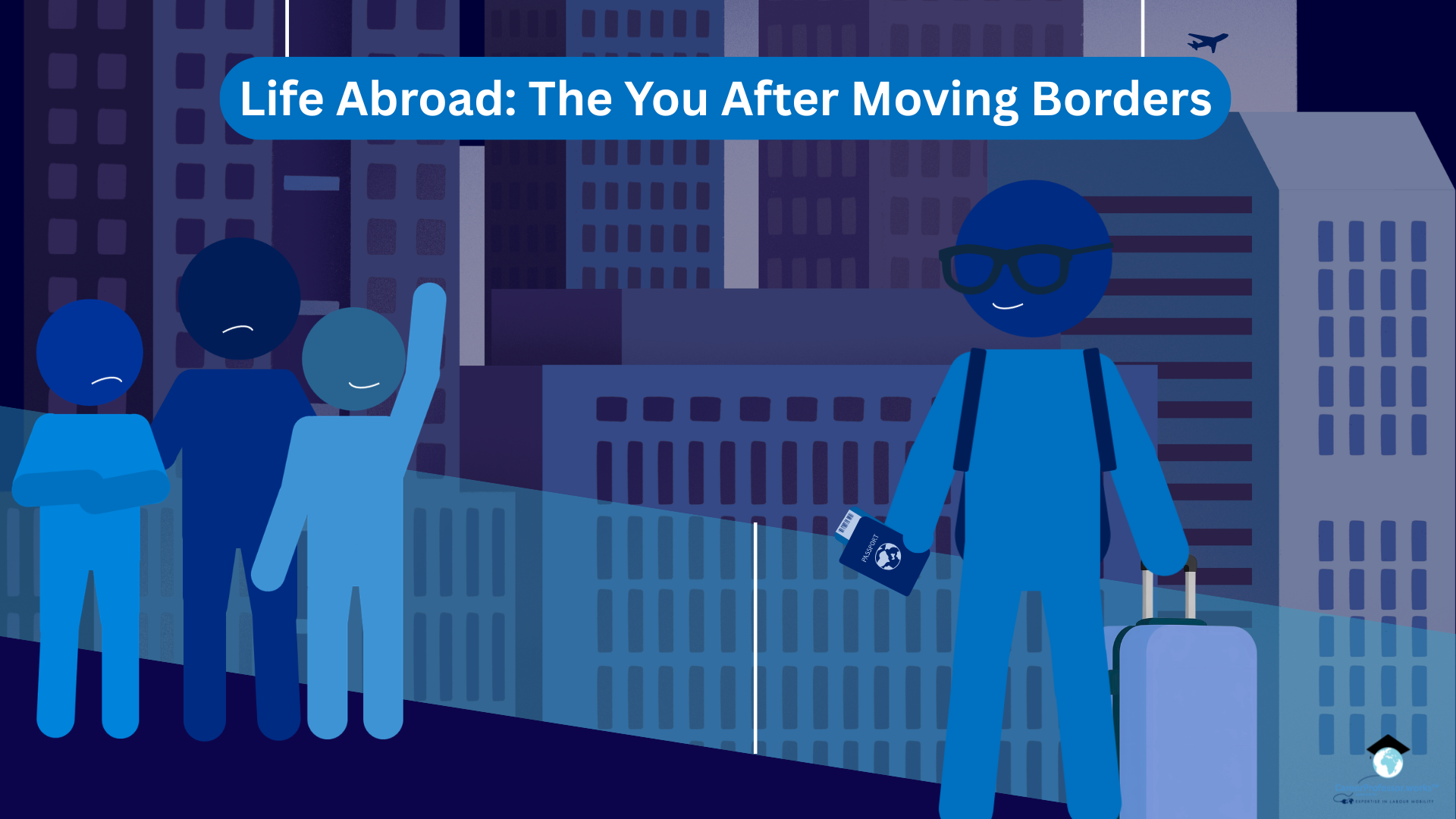
© CareerProfessor.works. All Rights Reserved.
In all honesty, the first time I decided to study abroad, it was not a calculated decision. I did not think about what I would gain from the experience, nor the potential challenges I would face once I am there. I was 18 and purely running on the thrill of being in a new country. Fast forward two weeks, and I understood why moving abroad could be a daunting step when the homesickness, loneliness, and freezing weather started to peek through.
Now five years later, I have completed my Master's and gained a mini life lesson on the nuts and bolts of moving abroad. Even though I made this decision somewhat unprepared, looking back on it, I still gained skills, habits, and values that are long-lasting. Leaving the comfort of my home at an early age has changed me, and for a long time, I struggled to place a finger on exactly how. Hence, writing this blog gave me a chance to reflect on my personal development. Hopefully, it helps anyone who is also exploring the idea of moving abroad, or who has, by highlighting the attributes that you will learn or are learning.
Why should you move abroad at least once in your life?
Resilience and Independence
Overcoming the challenges of cultural adaptations leads to self-efficacy, self-reliance, and personal growth, according to a study by the University of North Carolina. Navigating daily life through language barriers in grocery stores, translating documents, making appointments for bureaucratic intricacies, etc., you develop an independence and resilience that you can depend on for years to come. This sense of self is achieved by peeling through layers of your ego when you make silly mistakes, cannot comprehend what the other person is saying, or in my case, get lost while using public transportation. However, in the process of laying ourselves bare, we emerge as someone more confident and believing in our capacity to adjust and adapt.
Comfort with communicating
Eventually, you will learn to read the food labels in grocery stores, say ‘thank you’ and ‘welcome’ in the host language, order in a restaurant, and feel a little less out of place. In doing so, we unconsciously become comfortable communicating. Whether it's a simple thank you or meeting someone halfway in their language, we are growing in our confidence when talking to people from different walks of life. Sometimes you might already have learnt the language beforehand or started learning afterwards, but in the end of it all, we certainly develop patience, articulate our thoughts better, or even get called well-spoken by our friends. This skill is not only helpful in the host country but also in our travels to new countries or if we decide to move again. In other words, we become resourceful in conveying our message when words might fail us.
Expanding our worldview
Regardless of what changes you might see in yourselves, an inevitable change is how you view other cultures and your own. Being exposed to different traditions, lifestyles, and customs, especially at a younger age like mine, really leaves an imprint on us. It forces us to re-evaluate our preconceived notions and accommodate some new ones to adapt to the environment. More often than not, our views of the world are coloured by our cultures, biases, and beliefs, and stepping out of that circle changes our perception of it.
That said, it is nearly impossible not to have biases or soft spots, but the key skill here is self-awareness. We become adept at exercising those biases and beliefs while being fully aware that not everybody will agree with us. Being aware of this fact also helps us develop tolerance towards different perspectives on the world. It can be chaotic in the beginning, being thrown into this medley of opinions and thoughts, where you might find yourself nodding to things that you don’t resonate with. However, through our improved communication skills, we learn to present our thoughts and ideas confidently, and also become good listeners along the way.
Build friendships and connections
I have to say, in my experience, luck does play a part in this. Sometimes, you will just end up with unpleasant people with no fault of yours. However, if you are willing to invest the time and effort into the few (you really do not need a whole bunch in my opinion), like-minded people that you meet, you might even see them at your wedding! Qualities such as flexibility, consideration, and helpfulness go a long way in these kinds of international connections. Maintaining friendships is a breeze if you are in a university setting, but what demands your preparedness is the aftermath. Friends will leave, either for further studies or work, and amidst being busy, it is not possible to keep up with everybody. This is where we learn to prioritise the friendships that are meaningful enough for us and feel privileged to have these connections across the world. This aspect of life abroad is the embodiment of the saying, “Home is not the place but the people.”
Attractive job candidate
Now, even though the aforementioned skills and benefits are bonuses of a life abroad, let's be real. For most of us, we move in pursuit of better opportunities and a career. We would not invest our time, effort, and money into moving abroad if it didn’t give us an advantageous edge as a job candidate. On more occasions than not, it does. A 2023 study by the Society of Human Resource Management claims that 90% of HR professionals deem intercultural experience important.
Besides the required hard skills, the invaluable soft skills that an international experience provides can make us attractive job candidates. This is not to say that your job application will be accepted right away, because there is still competition now that more people are realising the value of this prospect. You will also have to know some tips on the job application process of the specific country. However, international experience strengthens our resilience and patience, which helps carry us through this journey. It also lends an optimistic mindset, which, combined with our unique personal backgrounds, if we learn to present it in a polished manner, can definitely get us noticed by the recruiter. This is testified in a report by Monster, where 83% of international job candidates believe that living abroad has improved their career confidence.
On final thoughts, every experience is personal, and not to be the bearer of unpleasant news, but it also comes with its fair share of challenges (see next blog post). However, there does seem to be a consensus on five of the many benefits that are mentioned above. In whichever way you look at it, there are more positives than negatives. So, if you are committed to your self-discovery and growth, and have been thinking of moving abroad, wagering on the positives and taking the leap does not sound too bad. Hopefully, my personal reflection can be successful in solidifying your resolve, and if it does, I wish you a wonderful, mind-altering experience!
Blog post written by Anindita Kalita for Expertise in Labour Mobility
Image by Jizelle Ys for CareerProfessor.works
© CareerProfessor.works. All Rights Reserved.